
Insights for institutional decision-making.
Institutional analysis, executive insight notes, and strategic briefings for ministries of foreign affairs — covering digital diplomacy, AI governance, narrative resilience, and foreign ministry capability.
Executive Insights
Concise public analysis designed to identify emerging institutional challenges, clarify strategic shifts, and translate complex digital developments into actionable judgment.
Strategic Briefings
Focused, access-controlled exchanges for ministries, missions, institutional partners, and decision-makers navigating complex digital and information environments.
Institutional challenges, made visible.
Short, evidence-informed insights examining the structural gaps, governance questions, and capability pressures shaping contemporary diplomacy.
The Conversion Deficit
Diplomatic institutions do not primarily suffer from an information deficit. They suffer from an institutional conversion deficit: the inability to consistently transform distributed information into verified insight, coordinated judgment, timely action, and institutional learning.
Before adding another tool, map where information stops becoming action.
How many of these seven signs are present across your headquarters, missions, or institutional network? Diplomats.Digital is developing a structured approach to identifying the gaps between information, judgment, coordination, and action.
Seven signs of a conversion deficit
Missions monitor different information environments using inconsistent methods.
Headquarters receives overlapping or contradictory reporting.
Policy, communications, security, and geographic teams interpret the same development differently.
AI-generated summaries blur verified facts, inference, and interpretation.
Escalation thresholds are informal or dependent on personalities.
Teams identify risks but do not know who owns the next decision.
Lessons disappear when staff rotate, crises pass, or vendors change.
The Conversion Deficit begins a new series of concise institutional diagnostics. →
Longer arguments on the pressures reshaping foreign affairs.
How digital, AI, narrative, and institutional pressure are changing the practice of statecraft.

The Strait of Hormuz: Who Keeps a Global Chokepoint Governable?
Passage, payment, insurance and decision authority before conflict, under pressure and through recovery.
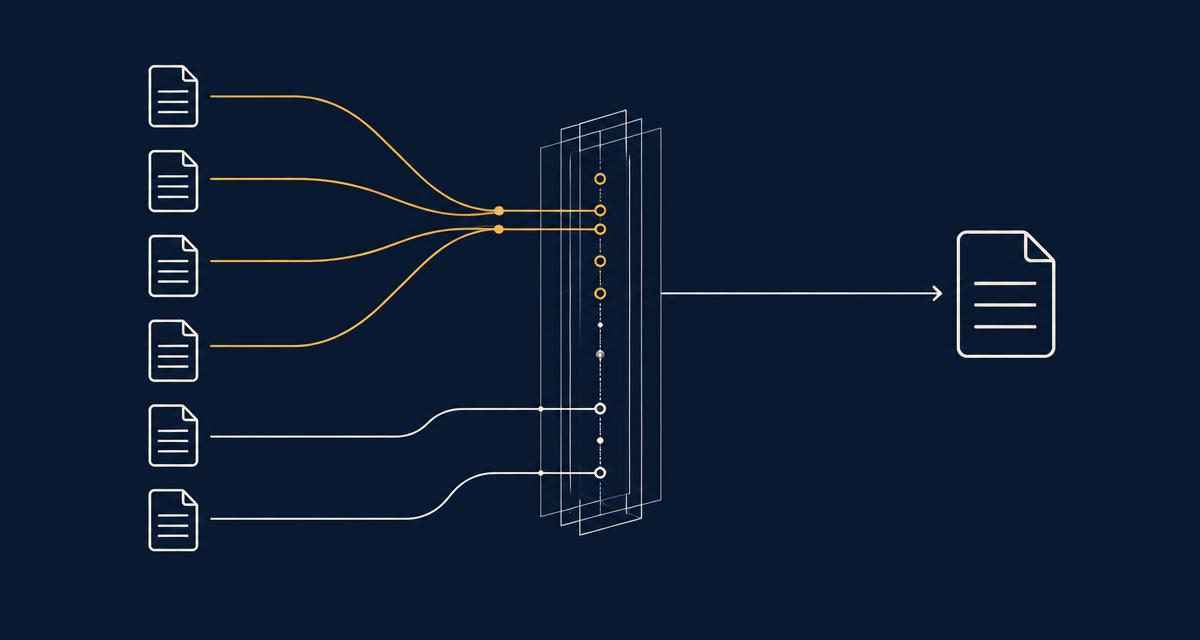
When One Source Looks Like Many: A Provenance Problem for Foreign Ministries
Why apparent source plurality can create false corroboration in diplomatic OSINT and AI-assisted analysis — and how ministries can test independence before acting

The Northern Sea Route: A Governance Test for Digital Sovereignty Under Interdependence
Arctic shipping is being sold as strategic optionality. The diplomatic test is sharper: who receives payment, who grants access, who insures liability, who controls data, and who keeps authority when the corridor is under stress.

AI, Public Diplomacy and the Hanover Institute: What Foreign Ministries Should Learn
What the Hanover Institute case reveals about generative engine optimisation, AI-mediated information, source provenance and narrative resilience for foreign ministries.
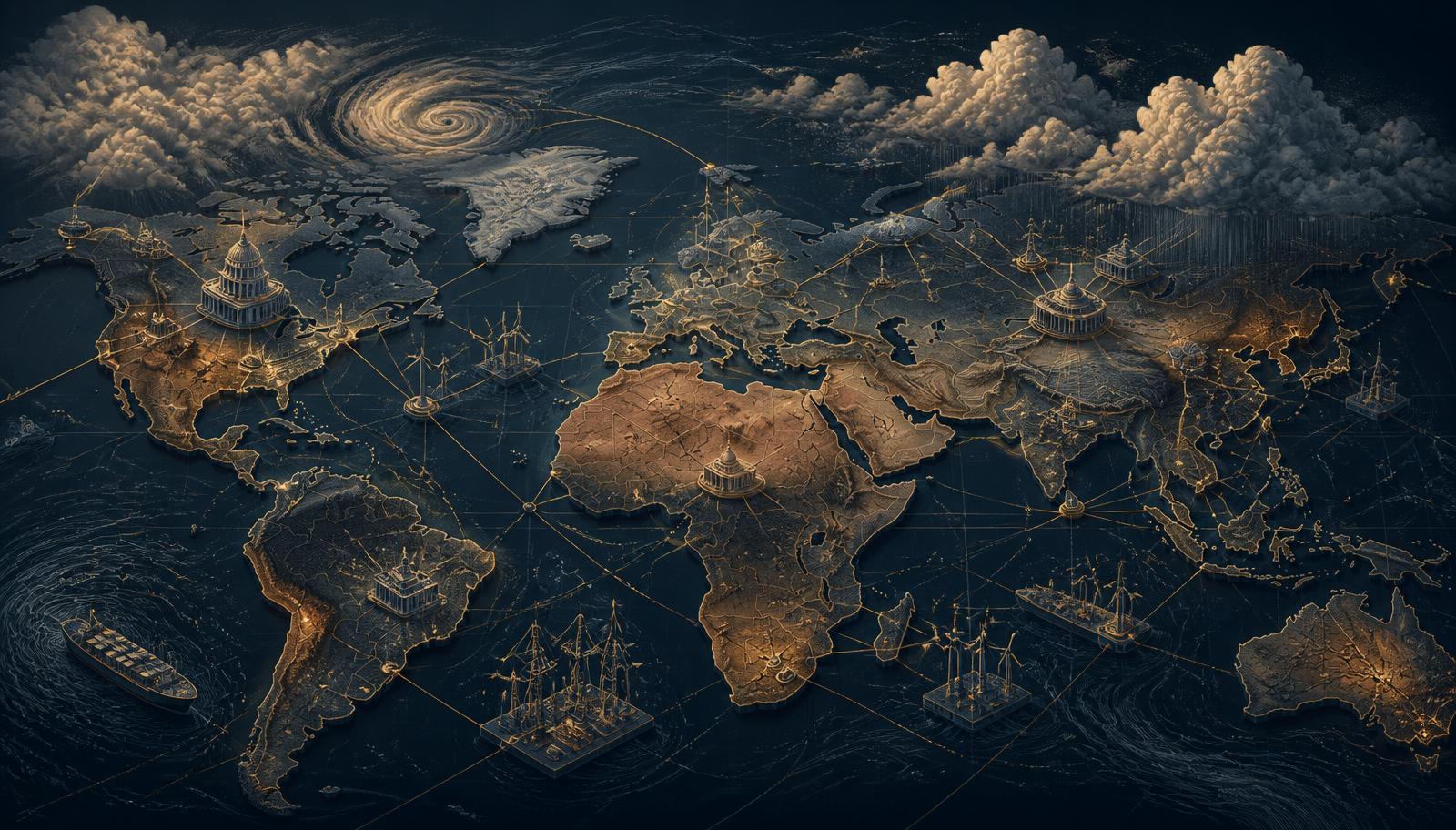
The Capability Challenge Shaping Climate Diplomacy
Climate commitments now move through trade, finance, technology, infrastructure and security. This essay examines eight capabilities foreign ministries need to connect international agreements with implementation.
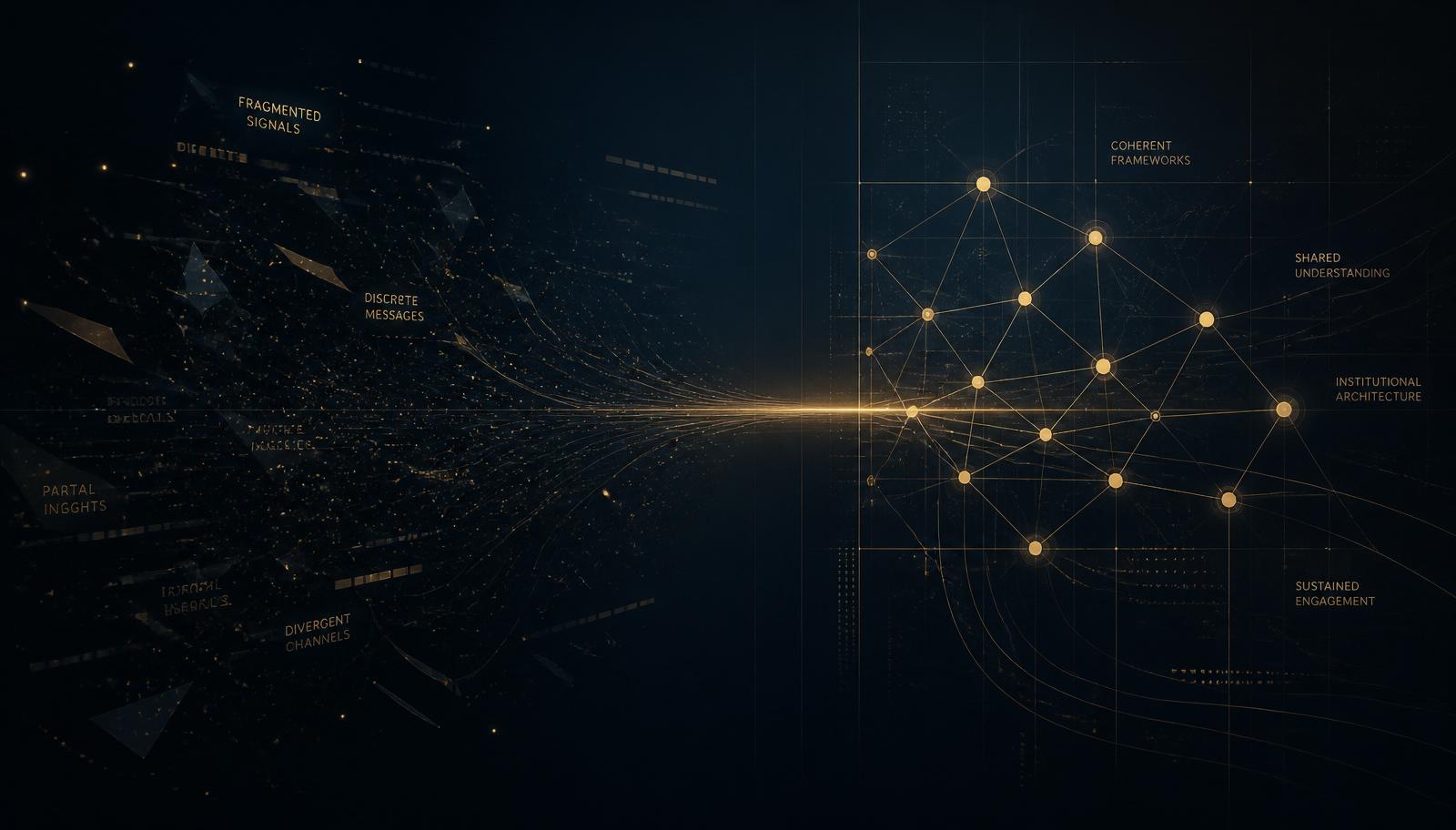
Digital Diplomacy Is Moving From Communication to Institutional Readiness
Digital diplomacy is no longer only about visibility, posting, or online presence. The next phase is about whether foreign ministries are institutionally ready to coordinate, decide, and respond when digital visibility creates consequence.

Why Digital Diplomacy Needs a Map Now
Foreign ministries are being asked to operate in digital conditions that are faster, noisier, and more exposed than the systems around them were built for. This founder’s note explains why the State of Digital Diplomacy 2026 report is mapping the readiness layer institutions now need.

From Visibility to Judgment: The Next Phase of Digital Diplomacy
As institutions gain more tools, signals, and visibility, the real challenge may be whether they can convert information into judgment before pressure defines the room. Most institutions today do not suffer from a lack of information. They s…
Observations from forums, practice, and the field.
Notes from diplomatic events, policy forums, practitioner conversations, and emerging developments.
A Summit of Shifting Sands: Sharm El-Sheikh and the Reawakening of Collective Diplomacy
Today, a remarkable chapter in modern diplomacy concluded. Not in Geneva or Washington, but on the sunlit shores of Sharm El-Sheikh. Egypt hosted more than 30 world leaders and global institutions, convening not just to manage a ceasefire, …

Diplomacy in the Era of Endless Forums: Wisdom over Noise
Today, more than ever, the world of diplomacy is buzzing with activity. Conferences. Panels. Summits. Webinars. Forums. High-level dialogues. Every week — sometimes every day — there’s a new space to show up, listen, speak, or be seen. It’s …

Digital Trust: A Critical Conversation for 2025 and Beyond, Highlighted at WEF Davos
It’s the third day of the World Economic Forum in Davos, and the energy is nothing short of electrifying. Every year, this gathering of global minds unveils new themes that shape the future. But this year, there’s a palpable shift—a deep, a…
Diplomatic moments under closer examination.
Focused analytical coverage of major diplomatic, geopolitical, security, and institutional moments through the Diplomats.Digital capability lens.
This archive preserves selected commentary published during the earlier editorial development of Diplomats.Digital. The platform's current work is more specifically focused on foreign-affairs digital capability, institutional readiness, mission–HQ coordination, AI governance, narrative resilience, and institutionally controlled operations.
2025
3 entries- ArchiveStrategic CommunicationCircus Diplomacy: When Statecraft Becomes StagecraftJune 6, 2025 · 4 min read
- ArchivePower & LeadershipMercy and Power: A Leader's Formula for Building a Strong NationApril 11, 2025 · 5 min read
- ArchivePower & LeadershipWho, Whom? Power, Compliance, and Agenda-Setting in Digital DiplomacyJanuary 5, 2025 · 5 min read
2024
10 entries- ArchiveInstitutional JudgmentWhen Time Becomes Art: Patience and Quality IntertwinedDecember 27, 2024 · 4 min read
- ArchiveFuture of DiplomacyAnticipating Trends While Leaving Room for Black Swans in Digital DiplomacyDecember 23, 2024 · 4 min read
- ArchiveDigital DiplomacyThe Power of Collaboration in Digital Diplomacy: Why We Can't Go AloneDecember 2, 2024 · 2 min read
- ArchivePower & LeadershipPrincipled Diplomacy vs. Transactional Diplomacy: A 2024 Reflection on Global LeadershipNovember 24, 2024 · 5 min read
- ArchiveDigital DiplomacyDigital Diplomacy as a Unique Middle Ground Between Realpolitik and Idealpolitik: Advantages and Future Prospects Beyond Mere BalanceNovember 5, 2024 · 3 min read
- ArchiveInstitutional JudgmentThe hidden dangers of stability: when the status quo holds diplomacy hostageOctober 12, 2024 · 4 min read
- ArchivePower & LeadershipLoyalty as a Diplomatic CurrencyOctober 9, 2024 · 3 min read
- ArchiveHistorical / Conceptual NotesUnderstanding Wolf Warrior Diplomacy: A New Era in Chinese Foreign PolicySeptember 28, 2024 · 2 min read
- ArchiveDigital DiplomacyInnovative Utilization of Digital Diplomacy in Media Diplomacy: A Route to Achieving Successful OutcomesFebruary 18, 2024 · 3 min read
- ArchiveHistorical / Conceptual NotesDiplomatic Bullets: Do You Know the Difference Between Arms Diplomacy, Military Diplomacy, and Weapons Diplomacy?January 22, 2024 · 3 min read
2023
3 entries- ArchiveHistorical / Conceptual NotesNavigating Waves of Change: A Half-Century Journey in Global Water DiplomacyNovember 29, 2023 · 2 min read
- ArchiveDigital DiplomacyUnrestricted Digital Diplomacy: A provocative frameworkOctober 31, 2023 · 3 min read
- ArchiveHistorical / Conceptual NotesInternational Relations - Significant diplomatic missions over the past 50 yearsOctober 16, 2023 · 8 min read